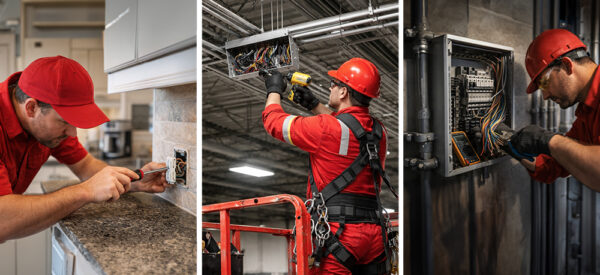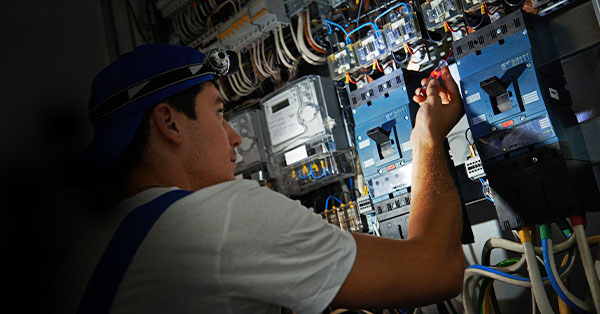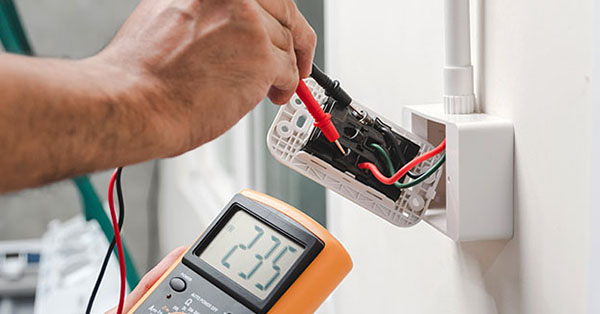

Electricians do much more than people often realize. Electricians are essential and play a critical role in keeping our homes, businesses, and facilities running safely and smoothly every day.
This article outlines an electrician’s general tasks and responsibilities. You will gain insights into what electricians handle on a day-to-day basis and what they are accountable for overall. At Palmer Electric, we believe that understanding these fundamentals helps prospective and current electricians, as well as home and business owners, better appreciate the value of professional electrical work.
Key Takeaways
- Electricians perform a range of tasks that support electrical systems throughout their lifecycle
- Daily electrician work varies based on the space, system, and electrical needs involved
- Electrician responsibilities go beyond hands-on work and include system reliability and accountability
- Tasks and responsibilities work together to support safe and dependable electrical performance
Electrician Tasks and Responsibilities Overview
| Area | Description | Task or Responsibility |
|---|---|---|
| Installation | Laying out and installing wiring, conduits, fixtures such as lights and outlets, control systems, and connecting appliances or machinery | Task |
| Maintenance & Repair | Diagnosing electrical issues, repairing damaged wiring, replacing faulty components such as breakers or transformers, and performing routine system checks | Task |
| Blueprint Reading | Interpreting technical diagrams, schematics, and blueprints to plan electrical work accurately | Task |
| Testing & Inspection | Checking circuits and electrical equipment to confirm proper operation and alignment with electrical standards | Task |
| Troubleshooting | Identifying the cause of electrical problems and determining the best solution to restore proper system performance | Task |
| Planning & Estimating | Calculating material needs, estimating project scope, and preparing electrical work plans | Task |
| System Evaluation | Reviewing existing electrical systems to determine capacity, condition, and suitability for current use | Task |
| System Upgrades | Modifying or expanding electrical systems to support increased electrical demand or new usage | Task |
| Safety & Compliance | Adhering to local, state, and national electrical codes and established safety regulations | Responsibility |
| System Performance and Reliability | Supporting long-term system performance & ensuring electrical reliability | Responsibility |
| Professional Accountability | Deliver electrical work that performs as expected and supports the people who rely on it | Responsibility |
| Documentation | Keeping accurate records of electrical work, including system details, reports, and related documentation | Responsibility |
| Professional Communication | Clearly explaining electrical system conditions, limitations, and recommendations | Responsibility |
What Do Electricians Do on a Daily Basis
A typical day for an electrician is rarely the same from one job to the next. Electrical systems are used differently depending on the space, and electricians adjust their work to match those needs. Some days involve setting up new electrical systems, while others focus on evaluating or improving existing ones.
Electricians spend their time balancing hands-on electrical work with system-level thinking and troubleshooting. For example, they have to analyze how electrical systems are performing, how they are being used, and whether they continue to support the demands placed on them. This daily balance between action and responsibility is what defines the electrician’s role.
At Palmer Electric, we believe being an electrician is not a boring job. Why? No two days are ever the same, and each comes with its own challenges and opportunities. So we ask our electricians to stay adaptable and ready to handle a wide range of situations every single day. Being flexible and able of adapt, can make a difference between a good electrician and a great one.
Electrician Daily Tasks
Electrician daily tasks can look different from one job to the next. Some days are focused on new electrical work, while others involve improving or restoring existing systems. What stays consistent is the goal, making sure electrical systems support how a space is used and continue to function properly.
Electricians typically move between planning, hands-on work, and system checks throughout the day. They may start by reviewing electrical needs, then shift into installation or repair work, and finish by confirming systems are operating as expected. This mix of activities is what makes an electrician work both varied and detail-oriented.
Electrician Daily Tasks Overview
| Daily Task Category | What It Involves |
|---|---|
| System setup | Preparing electrical systems to support intended use |
| System upkeep | Keep electrical systems functioning properly: Addressing wear, changes, or performance concerns |
| System checks & evaluation | Identify potential concerns early: Reviewing condition and operation of electrical systems |
| Adjustments & improvement | Modifying systems to meet current electrical needs |
| System reliability | Ensure consistent electrical performance |
| Follow-up | Confirming systems continue to operate properly |
This table helps show how electrician daily tasks are spread across different types of work rather than one repeated action.
Electrician Tasks
Electrician tasks cover the main types of hands-on electrical work electricians perform across residential, commercial, and industrial settings. These tasks form the foundation of the profession and apply regardless of the size or type of electrical system involved.
1. Electrical Installation
Electrical installation involves setting up electrical systems so a space can operate the way it is intended. This includes organizing how power is distributed and ensuring electrical systems align with how a home or business will be used.
During installation, electricians focus on the overall system layout. The goal is to create electrical systems that are not only reliable but adaptable. If a system is capable of supporting current and future needs, the electrical installation was a success.
2. Electrical Maintenance and Repair
Maintenance and repair tasks focus on keeping electrical systems working properly over time. Electrical systems experience wear and changes in demand, and electricians address these issues to maintain consistent performance.
When repairs are needed, electricians work to restore proper operation without causing unnecessary disruption. Maintenance tasks help reduce the likelihood of recurring electrical problems and extend the lifespan of electrical systems.
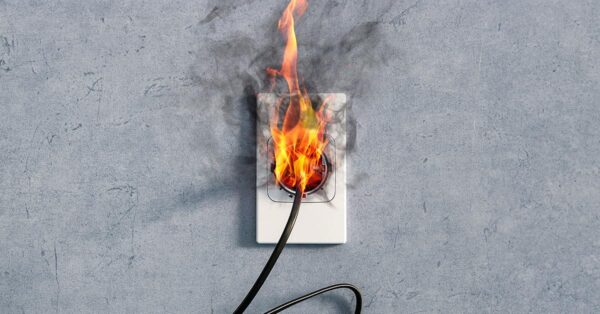
Here at Palmer Electric, many of the electrical issues we respond to on a daily basis didn’t start as major electrical problems. Over the years, experience has taught us that small electrical problems can grow quietly (brewing in silence), until they blow up and interrupt power or cause a major system issue. This is why we ask our electricians to focus on understanding the bigger picture, not just doing a quick fix or what’s immediately visible. In Central Florida, where older systems and heavy electrical usage are standard, long-term reliability matters just as much as quick repairs.
Electrical Installation vs Maintenance Tasks
| Task Type | Primary Purpose |
|---|---|
| Installation | Establish electrical systems for intended use |
| Maintenance | Preserve system performance over time |
| Repair | Restore functionality when issues occur |
| System adjustments | Adapt systems to changing electrical demands |
This comparison helps clarify how installation and maintenance tasks serve different but equally important roles in electrical work.
3. Electrical Testing and Inspection
Electrical testing and inspection focus on evaluating how electrical systems are performing. Electricians use these tasks to confirm that power is flowing properly and that systems are operating the way they were intended.
Electrical inspections are not just about changing systems, they are about understanding their current condition. Testing helps electricians identify inconsistencies, potential weaknesses, or performance issues that may not be obvious during everyday use. This step plays an important role in maintaining dependable electrical systems over time.
Testing vs Inspection Overview
| Activity | Primary Purpose |
|---|---|
| Testing | Confirm electrical systems operate as expected |
| Inspection | Evaluate overall system condition |
| Performance review | Identify irregular behavior early |
| System verification | Ensure electrical setups align with usage |
Electrical Troubleshooting
Troubleshooting is the process of identifying why an electrical system is not behaving as expected. Instead of guessing, electricians analyze how power moves through a system to locate the source of an issue.
This task requires a system-level understanding of electrical behavior. Electricians focus on patterns, inconsistencies, and changes in performance to find out where problems start and to get to the root of the issue. Effective troubleshooting helps resolve issues efficiently and reduces the chance of repeat problems.
4. Electrical Planning and Layout
Electrical planning and layout involve understanding how electrical systems are organized within a space. Electricians use planning to ensure systems are structured in a way that supports functionality, flexibility, and long-term performance.
A well-planned electrical layout makes it easier for systems to adapt as electrical demands change. This task helps ensure electrical systems continue to support how a space is used, both now and in the future.
Electrician Responsibilities
While tasks describe what electricians do, responsibilities explain what electricians are accountable for. These responsibilities apply across all types of electrical work and help define the professional standards electricians are expected to uphold.
Electrician responsibilities go beyond hands-on work. They include ensuring systems perform reliably, supporting long-term electrical functionality, and maintaining clarity around how electrical systems are structured and used.
Electricians Tasks vs Electrician Responsibilities
| Tasks | Responsibilities |
|---|---|
| Installing systems | Supporting long-term system performance |
| Maintaining equipment | Ensuring electrical reliability |
| Testing systems | Confirming systems function as intended |
| Troubleshooting issues | Reducing repeat electrical problems |
| Planning layouts | Supporting future electrical needs |
This distinction helps clarify how tasks and responsibilities work together to define the electrician’s role.
1. System Performance and Reliability
One of the core responsibilities of an electrician is supporting long-term system performance and reliability. Electrical systems are expected to work consistently day after day, even as usage changes. Electricians are responsible for making sure systems continue to meet those expectations.
This responsibility requires going the extra mile, going beyond fixing the obvious or what it seems to be an immediate issue. It includes considering how electrical systems respond to ongoing demand and how they will perform over time. Reliable electrical systems help reduce interruptions and support normal operation in homes and businesses.
2. Electrical Safety and Compliance
Electricians are responsible for ensuring all the electrical work they perform aligns with established safety standards and industry requirements. This responsibility applies to all electrical tasks, regardless of the size or scope of the project.
Safety and compliance are about accountability, not procedures. Electricians are expected to understand the boundaries electrical systems must operate within and ensure their work supports safe system performance.
Safety isn’t a separate step for us at Palmer Electric, it’s part of every decision we make on a job site. After serving Central Florida since 1951, we’ve seen how important it is to approach electrical work with consistency and care. Our electricians are trained to think through electrical work carefully, because safe systems are reliable systems, and reliability is what our customers depend on every day.
For a deeper look at this topic, readers can explore our dedicated Electrician Safety article.
3. Documentation and System Clarity
Clear documentation is another important electrician responsibility. Electrical systems often change over time, and accurate records help provide clarity for future work, updates, or evaluations.
Documentation supports long-term system understanding. It helps ensure electrical systems are easier to interpret, adjust, and maintain as needs evolve.
More detail on documentation responsibilities can be found in our Electrician Job Description article.
4. Professional Accountability
Electricians are accountable for delivering work that is professional, of good quality, and reliable. For example, making informed decisions, communicating system limitations clearly, and ensuring electrical work supports proper system function.
Professional accountability ties tasks and responsibilities together. It reflects the trust placed in electricians to deliver electrical work that performs as expected and supports the people who rely on it.
At Palmer Electric, accountability means more than finishing a job and moving on. It means thinking about how an electrical system will perform tomorrow, next year, and well into the future. Our electricians take pride in clear communication, careful planning, and standing behind their work. That mindset has helped us earn trust throughout the Central Florida community for generations.
Tasks of an Electrician Summary
The tasks and responsibilities of an electrician work together to support dependable electrical systems. Tasks describe the hands-on work performed, while responsibilities define the standards electricians are accountable for throughout the process.
Electrician Task and Responsibility Table
This table brings together the core tasks electricians perform and the responsibilities they are accountable for. It helps clearly show how hands-on work and professional responsibility go hand in hand.
| Task Area | What Electricians Do | Associated Responsibility |
|---|---|---|
| Electrical Installation | Set up electrical systems to support how a space is used | Ensure systems function as intended |
| Electrical maintenance and repair | Address performance issues and system wear | Support long-term system reliability |
| Electrical testing and inspection | Evaluate system operation and condition | Identify concerns before they escalate |
| Electrical troubleshooting | Determine the cause of electrical problems | Reduce repeat issues and disruptions |
| Electrical planning and layout | Organize system structure for current and future needs | Support adaptability and system clarity |
| Electrical safety and compliance | Work within established standards | Maintain safe system operation |
| Electrical documentation | Record system changes and configurations | Preserve system understanding over time |
Electrician Tasks and Responsibilities FAQs
Electrician responsibilities go beyond completing individual electrical tasks. An electrician is responsible for ensuring electrical systems function reliably, safely, and as intended over time. This includes taking ownership of system performance, identifying potential issues early, and making decisions that support long-term electrical reliability.
Electricians are also responsible for working within established standards and ensuring electrical work aligns with how a home, business, or facility uses power. That responsibility carries through every stage of electrical work, from planning and installation to maintenance, troubleshooting, and system evaluation.
At Palmer Electric, we view electrician responsibilities as a commitment to quality and accountability. Our electricians are responsible for clear communication, dependable workmanship, and thinking ahead so electrical systems continue to perform well long after the work is completed.
Electrician Responsibilities Description Table Summary
| Responsibility Area | What It Means |
|---|---|
| System performance | Ensuring electrical systems operate as intended |
| Reliability | Supporting consistent power over time |
| Safety awareness | Working within established electrical standards |
| Problem prevention | Identifying issues before they escalate |
| Documentation clarity | Maintaining clear records of electrical work |
| Professional accountability | Standing behind the quality of completed work |
Electricians fix issues that affect how electrical systems perform. This can include problems that interrupt power flow, reduce system reliability, or cause electrical systems to behave inconsistently.
Rather than focusing only on visible issues, electricians look at how the entire system is functioning. Fixing electrical problems often involves addressing underlying causes so the issue does not return.
Common Electrical Issues Electricians Fix
| Issue Type | What’s Being Fixed | Why It Matters |
|---|---|---|
| Power interruptions | Circuits or systems not delivering power consistently | Prevents unexpected outages and disruptions |
| System overload issues | Electrical systems struggling to handle demand | Reduces strain on the system and improves performance |
| Faulty connections | Loose or improper electrical connections | Helps restore stable electrical flow |
| Electrical performance issues | Systems behaving inconsistently or unpredictably | Improves reliability and usability |
| Aging system problems | Wear-related electrical issues over time | Extends system lifespan |
| Electrical faults | Underlying issues causing abnormal behavior | Prevents recurring problems |
Electricians install electrical systems that support how homes, businesses, and facilities use power. This includes setting up systems that allow electricity to be delivered safely and effectively throughout a space.
Installation work focuses on creating electrical systems that are reliable and capable of supporting both current and future needs. The goal is to ensure electrical systems are structured properly from the start.
Common Electrical Systems Electricians Install
| Installation Category | What Is Installed | Purpose |
|---|---|---|
| Power distribution systems | Electrical systems that deliver power throughout a space | Ensures electricity reaches where it is needed |
| Lighting systems | Interior and exterior lighting setups | Supports visibility, functionality, and comfort |
| Control systems | Systems that manage how electricity is used | Allows electrical systems to operate as intended |
| Equipment power systems | Electrical support for appliances or equipment | Ensures proper and reliable operation |
| System expansions | Additions to existing electrical systems | Supports increased electrical demand |
| Infrastructure components | Core elements that support electrical flow | Creates a stable foundation for electrical use |
Electricians repair electrical systems when parts of those systems are no longer functioning as expected. Repairs help restore normal operation and reduce the risk of further electrical issues.
Repair work is typically focused on improving system performance and stability. By correcting problems within the system, electricians help ensure electrical power continues to function reliably.
Common Electrical Systems Electricians Repair
| Repair Category | What’s Being Repaired | Why Repairs Are Needed |
|---|---|---|
| Power delivery issues | Electrical systems not supplying power consistently | Restores stable electrical flow |
| Electrical performance problems | Systems behaving inconsistently or unpredictably | Improves reliability and usability |
| Worn electrical components | Systems affected by age or long-term use | Extends system lifespan |
| Connection failures | Electrical pathways that no longer function correctly | Prevents interruptions and instability |
| System damage | Electrical systems affected by stress or external factors | Returns systems to proper operation |
| Recurring electrical issues | Problems that continue after temporary fixes | Addresses underlying causes |
Conclusion
Electrician tasks and responsibilities go far beyond basic electrical work. From installation and maintenance to testing, troubleshooting, and planning, electricians handle a wide range of work that supports dependable electrical systems.
Just as important as the tasks themselves are the responsibilities electricians carry. System reliability, safety awareness, documentation, and professional accountability all play a role in ensuring electrical systems continue to support homes and businesses over time. Understanding both the tasks electricians perform and the responsibilities they uphold helps explain why professional electrical expertise matters.
For over 70 years, Palmer Electric has worked alongside homeowners and businesses helping electrical systems keep up with changing needs. That long-term experience shapes how we approach every task and responsibility, with a focus on safety, reliability, and doing the job right the first time.
If you live in Orlando or Central Florida and need a professional and reliable electrician, request a free estimate by giving us a call at (407) 646-8700 or by filling out a contact form.