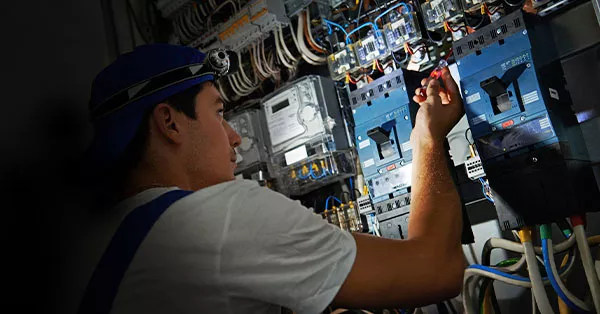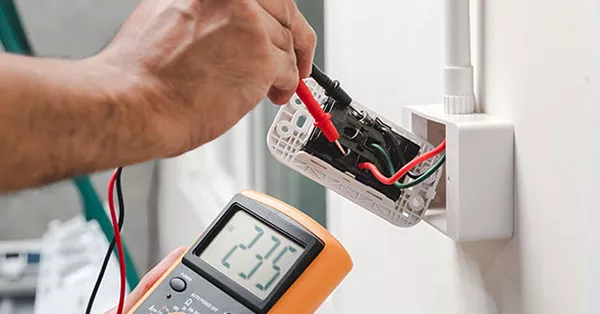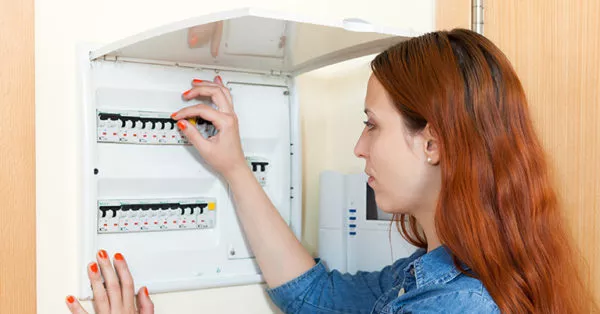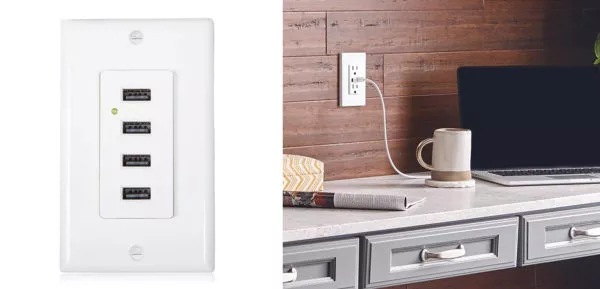
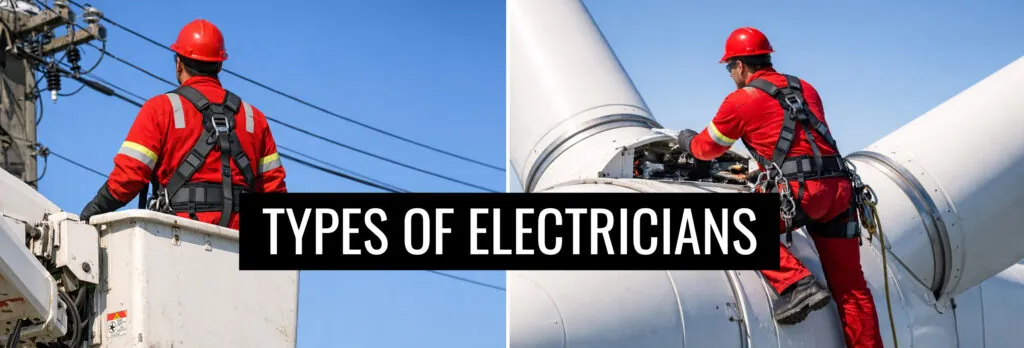
When people hear the word electrician, they usually think of someone fixing a light switch or installing an outlet. The truth is, there are many different types of electricians, and each one does very specific work.
At Palmer Electric, we have worked with several types of electricians over the years, from residential homes to large commercial buildings across Central Florida.
Whether you are looking to hire the right electrician for your home or business or considering a new career, let’s take a look at the types of electricians available in the U.S.
Key Takeaways
- Not all electricians do the same type of work
- Some electricians specialize in homes, others in commercial or industrial settings
- Certain electricians focus on low-voltage systems like fire alarms and security systems
- Experience level and specialization often affect pay
- Choosing the right type of electrician saves time, money, and stress
What are the different types of electricians?
This table provides a quick overview of all the different electrician types and their best-suited applications. For more detailed descriptions, please continue reading below.
| Category | Electrician Types | Best For |
|---|---|---|
| Entry-Level & Support | Electrical Assistant, Electrical Assembler, Apprentice, Helper | Learning the trade, supporting licensed electricians |
| Licensing Levels | Journeyman Electrician, Master Electrician | Licensed work, system design, permits, inspections |
| Residential | Residential Electrician, Residential Wireman | Homes, apartments, condos |
| Commercial | Commercial Electrician, Inside Wireman | Offices, retail, schools, medical buildings |
| Industrial | Industrial Electrician | Factories, plants, heavy equipment |
| Installation & Construction | Construction Electrician, Installation Electrician, Installation Technician | New builds, upgrades, equipment installs |
| Maintenance | Maintenance Electrician | Ongoing system upkeep and troubleshooting |
| Wiremen & Linemen | Wireman, Lineperson, Outside Lineman | Building wiring and utility power lines |
| Leadership & Management | Electrical Foreman, Supervisor, Contractor, Estimator, Designer | Project oversight, planning, budgeting |
| Low Voltage & Specialty | Low Voltage Electrician, Telecom Electrician, Fire Alarm Electrician | Security, data, life-safety systems |
| Power & Renewable | Generator Technician, Solar Panel Technician, Wind Turbine Technician | Backup power and renewable energy |
| Transportation & Infrastructure | Automotive, Marine, Highway Systems Electrician | Vehicles, boats, roadways |
| Utility & Distribution | Utility Electrician, Substation Electrician | Power grid and high-voltage systems |
Entry-Level and Support Roles
Entry-level and support roles are where most electricians get their start. Why? These positions are all about “learning the ropes”, building hands-on experience, and understanding how electrical work is achieved safely and correctly. At Palmer Electric, we take these roles seriously because they are the foundation of our industry. Today’s assistants and helpers are tomorrow’s licensed electricians.
Since entry-level positions do not have the required experience for making final electrical connections or decisions, they work under close supervision. Focusing on learning proper techniques, safety practices, and job site organization.
1. Electrical Assistant
An electrical assistant works directly alongside a licensed electrician. This role is very hands-on and is often the first real job someone has in the electrical field. Electrical assistants help keep job sites running efficiently and learn by watching and doing. Without an assistant, the job would take longer and cost more.
Common tasks include:
- running conduit
- pulling wire
- setting up tools
- cleaning work areas
- assisting with basic installations
They also learn how to read simple electrical plans and follow safety procedures.
Electrical Assistant Pros & Cons
| Pros | Cons |
|---|---|
| Great entry point into the trade | Cannot work independently |
| Hands-on learning every day | Physically demanding |
| Exposure to many job types | Requires constant supervision |
2. Electrical Assembler
Electrical assemblers usually work in controlled environments like factories, warehouses, or panel shops. Instead of working in homes or commercial buildings, they assemble electrical components, panels, or equipment before it gets installed on site.
This role relies on:
- accuracy
- following diagrams
- quality control
It is less physically demanding than field work, but it still requires close attention to detail and a basic understanding of electrical components.
Electrical Assembler Pros & Cons
| Pros | Cons |
|---|---|
| Indoor, controlled work environment | Limited field experience |
| Focus on precision and consistency | Less variety in daily tasks |
| Good technical foundation | Slower path to licensing |
3. Apprentice Electrician
An apprentice electrician works under a licensed electrician while enrolled in a formal training program. Apprenticeships combine classroom instruction with real-world experience and are one of the most common paths to becoming a journeyman electrician.
Apprentices learn over several years:
- electrical theory
- code requirements
- safety standards
- practical skills
Apprentice Electrician Pros & Cons
| Pros | Cons |
|---|---|
| Structured training and education | Multi-year commitment |
| Earn while learning | Requires exams and coursework |
| Clear path to licensing | Slower progression |
In Florida, this training is important due to strict codes and tough weather conditions like heat, humidity, and storm exposure. This real-world experience is what turns classroom knowledge into real expertise.
4. Helper or Electrician Helper
This role is similar to an electrical assistant but often more limited in scope. It can also have a direct effect on productivity and safety because helpers support tasks like:
- material handling
- site cleanup
- tool preparation
We see that it is very common for helpers to move into assistant or apprentice roles once they gain experience.
Helper or Electrician Helper Pros & Cons
| Pros | Cons |
|---|---|
| Easy entry into the industry | Very limited responsibilities |
| No license required | Lower starting pay |
| Exposure to job sites | Minimal technical work |
Why Entry-Level Roles Matter
Junior roles lay the foundation for safe, reliable electrical work. At Palmer Electric, we emphasize training, safety, and guidance from day one. With lots of patience and care, well-trained support staff will lead to better workmanship, safer installations, and, in the end, happier customers.
Curious about what electricians do? Read this article: Electrician tasks and responsibilities.
Licensing and Experience Levels
Licensing and experience levels measure how far an electrician has progressed in their career. This isn’t about job titles as much as it’s about training, testing, and field-based experience. In most states, electricians must move through specific licensing stages before they can work independently or oversee projects.
At Palmer Electric, we believe licensing matters. It protects homeowners, business owners, and the electricians themselves. The higher the license level, the more responsibility an electrician can legally and safely take on.
1. Journeyman Electrician
A journeyman electrician is a fully licensed electrician who has completed an apprenticeship and passed the required exams. This is the level where electricians can work independently without constant supervision.
Journeymen handle most residential and commercial electrical work, including:
- wiring
- panel upgrades
- troubleshooting
- repairs
When homeowners call for service, a journeyman electrician is often the one who shows up to get the work done.
Journeyman Electrician Pros & Cons
| Pros | Cons |
|---|---|
| Licensed to work independently | Must follow design plans |
| Strong hands-on experience | Continuing education required |
| Trusted for most electrical work | Cannot approve large system designs |
2. Master Electrician
A master electrician has reached the highest licensing level in the trade. This requires years of experience, advanced testing, and a deep understanding of electrical codes and system design.
Master electricians:
- design electrical systems
- pull permits
- oversee large or complex projects.
They are often responsible for ensuring that the electrical work complies with code, passes inspection, and is completed safely.
At Palmer Electric, master electricians play a key role in quality control and project oversight. When inspectors arrive, the master electrician ensures everything is compliant and answers technical questions, preventing expensive corrections or failed inspections.
Master Electrician Pros & Cons
| Pros | Cons |
|---|---|
| Highest level of licensing | Years required to qualify |
| Can design and approve systems | High responsibility |
| Oversees large projects | Less day-to-day field work |
Why Licensing Levels Matter
Licensing isn’t just a piece of paperwork to hang on the wall. It is essential because it affects safety, reliability, and code compliance. Having properly licensed electricians makes a real difference because we can be confident that they have the knowledge needed to perform the job correctly and ensure our safety.
At Palmer Electric, every electrician on our team is trained, certified, and properly licensed for the work they perform. That’s how we’ve built trust in the community for over 70 years.
Residential, Commercial, and Industrial Electricians
This category breaks electricians down by where they work and the type of systems they handle. While all electricians work with electricity, the needs of a home, a business, and an industrial facility are very different. Each setting requires its own skills, training, and experience.
Since we have been providing residential and commercial electrical services for over 70 years, we understand directly how these roles differ.
1. Residential Electrician
Residential electricians focus on homes, apartments, and condominiums. This is the electrician most homeowners are familiar with. Their responsibilities include:
- fixing outlets
- installing lighting
- upgrading electrical panels
- home wiring
- electrical repairs
In states like Florida, where we have severe weather, residential electricians must know how to protect systems from power surges and outages.
This type of work requires knowledge of residential wiring, local codes, and how electrical systems behave in everyday home environments.
Residential Electrician Pros & Cons
| Pros | Cons |
|---|---|
| Specialized in home electrical systems | Not suited for large facilities |
| Familiar with local residential codes | Limited industrial equipment experience |
| Direct homeowner interaction | Smaller system scope |
2. Commercial Electrician
Commercial electricians work in offices, retail spaces, schools, restaurants, and medical facilities. These systems are larger than residential setups and often include higher voltages, backup power, and more complex code requirements.
Commercial electricians must understand strict safety regulations and work around active businesses. For us, it is very important to minimize downtime and keep businesses running safely. So our commercial electricians are trained to diagnose quickly and effectively. Some of their responsibilities include:
- install and maintain electrical systems
- read and follow electrical plans, blueprints, and schematics
- safely handle higher-voltage and higher-capacity electrical systems
- troubleshoot and repair electrical issues
- ensure all work meets local and national electrical codes and safety standards
Commercial work demands experience with larger electrical loads and strict code requirements that don’t apply to homes.
Commercial Electrician Pros & Cons
| Pros | Cons |
|---|---|
| Handles larger electrical systems | More complex code requirements |
| Experience with commercial equipment | Longer project timelines |
| Works in active business environments | Requires detailed planning |
3. Industrial Electrician
Industrial electricians work in factories, plants, warehouses, and manufacturing facilities. These systems are the most complex and powerful, often involving heavy machinery, motors, control panels, and automation systems. Some of their responsibilities include:
- install and maintain electrical systems for industrial machinery and equipment
- troubleshoot and repair motors, control panels, and high-voltage systems
- perform routine inspections to prevent equipment failures and downtime
- read and interpret complex electrical schematics and control diagrams
- follow strict safety procedures when working with high-power industrial systems
Industrial electricians require advanced training and a strong focus on safety. Since they often work in challenging environments and handle equipment that cannot afford downtime, their work demands experience, precision, and constant attention to safety.
Industrial Electrician Pros & Cons
| Pros | Cons |
|---|---|
| High skill and specialization | Physically demanding |
| Higher earning potential | Specialized training required |
| Works with advanced systems | High responsibility |
Learn more about these electricians by reading our article: Differences between commercial, industrial, and residential electricians.
Installation, Construction, and Maintenance Electricians
This group of electricians is defined by what stage of a building or system they work on. Some electricians focus on building electrical systems from the ground up. Others specialize in installing specific equipment. And some are all about keeping existing systems running safely and reliably.
Knowing the difference between the three roles helps set expectations and ensures the right electrician is assigned to the job.
1. Construction Electrician
Construction electricians work on new buildings or major renovations. This work happens before walls are finished and ceilings are closed. Some of their responsibilities include:
- install conduit
- pull wire
- set panels
- set up the entire electrical system
Because this work is done early in the project, construction electricians must be precise. Mistakes made during construction are difficult and expensive to fix later. Delaying inspections and pushing the entire project off schedule.
Construction Electrician Pros & Cons
| Pros | Cons |
|---|---|
| Works on full system builds | Physically demanding |
| High demand in growing areas | Weather exposure |
| Strong foundational skills | Requires strict planning |
2. Installation Electrician
Installation electricians don’t set up whole electrical systems, but instead they specialize in adding or upgrading specific electrical components, like:
- electrical panels
- lighting
- ceiling fans
- EV chargers
- generators
- specialized equipment
- low-voltage systems
- lighting packages
- manufacturer-specific equipment
This role requires efficiency, accuracy, and a strong understanding of existing systems. Installation electricians often work in occupied homes or businesses, so clean work and clear communication matter.
Installation Electrician Pros & Cons
| Pros | Cons |
|---|---|
| Focused skill set | Limited licensing |
| Shorter project timelines | Cannot work independently |
| Works under clear guidelines | Less variety in work |
3. Maintenance Electrician
Maintenance electricians keep existing electrical systems operating safely. They responsabillitiesinclude:
- respond to issues
- perform routine inspections
- prevent small problems from turning into major failures
This role is especially important in commercial and industrial settings where downtime can be costly.
Maintenance Electrician Pros & Cons
| Pros | Cons |
|---|---|
| Steady, ongoing work | On-call availability |
| Prevents system failures | Repetitive tasks |
| High value to businesses | Requires troubleshooting skills |
Wiremen and Linemen
Wiremen and linemen both work with electrical conductors, but the environments, voltage levels, and responsibilities are very different. One group focuses on wiring inside buildings, while the other works on utility infrastructure that delivers power to entire communities.
At Palmer Electric, these roles are clearly defined because mixing them can create serious safety risks.
1. Wireman
A wireman installs and maintains electrical wiring inside residential or commercial buildings. This includes:
- running wire through walls
- installing outlets and switches
- connecting circuits to electrical panels
Wiremen work on systems designed for homes, offices, and commercial buildings. They follow detailed electrical codes and plans to ensure systems are safe and reliable.
Wiremen Pros & Cons
| Pros | Cons |
|---|---|
| Core electrical skill set | Physically demanding |
| Works indoors most of the time | Limited to building systems |
| Essential for most projects | Not utility trained |
2. Inside Wireman
An inside wireman specializes in electrical systems inside larger commercial or institutional buildings. They usually work with:
- conduit systems
- electrical rooms
- structured layouts
Inside wiremen focus on organized, code-compliant installations in finished or semi-finished spaces.
Inside Wireman Pros & Cons
| Pros | Cons |
|---|---|
| Indoor work environment | Limited outdoor systems |
| Clean, organized installs | Requires detailed planning |
| Strong code knowledge | Not trained for high-voltage lines |
3. Lineperson
A lineperson works on electrical power lines that deliver electricity from the utility grid to buildings. This includes:
- repairing lines
- replacing poles
- maintaining transformers
Linepersons work with very high voltage that can be very dangerous; this is why they need to follow very strict safety procedures.
Lineperson Pros & Cons
| Pros | Cons |
|---|---|
| High demand role | Dangerous work |
| Essential during outages | Outdoor and weather exposure |
| Utility-focused expertise | Physically intense |
4. Outside Lineman
An outside lineman handles overhead and underground power distribution systems. Their responsibilities include:
- install, maintain, and repair power lines
- restore electrical service after storms, natural disasters, accidents, or outages
- work safely with high-voltage electrical systems and utility equipment
- operate bucket trucks and climbing equipment to access power line
Outside linemen work long hours in extreme conditions to restore power safely.
Outside Lineman Pros & Cons
| Pros | Cons |
|---|---|
| High earning potential | Extreme weather exposure |
| Critical public service | High-risk environment |
| Specialized training | Long, demanding hours |
Leadership and Project Management Roles
Leadership and project management roles focus on electrical planning, coordination, safety, and accountability rather than day-to-day wiring. These electricians make sure projects are done correctly, on schedule, and in full compliance with electrical codes.
For us, these roles are essential. Strong leadership helps us keep electrical jobs organized, prevents costly mistakes, and ensures every electrician on the site is working safely and efficiently.
1. Electrical Foreman
An electrical foreman is the on-site leader. Foremen are experienced electricians who understand both the technical work and how to manage people. They are the first line of problem-solving on a job site.
Some of their responsibilities include:
- managing crews, assigning daily tasks, and reviewing plans
- supervise electricians and manage daily job site activities
- ensure work is completed safely and correctly
- review plans and coordinate work with other trades
- enforce safety standards and electrical code compliance
- keep projects on schedule and address issues as they arise
Electrical Foreman Pros & Cons
| Pros | Cons |
|---|---|
| Strong field leadership | Less hands-on work |
| Keeps crews organized | High responsibility |
| Prevents job site issues | Long workdays |
2. Electrical Supervisor
An electrical supervisor oversees multiple job sites or teams at once. Unlike a foreman, supervisors are not always on-site. Instead, they focus on:
- quality control
- scheduling
- safety standards
- supporting foremen when challenges arise
Supervisors make sure company-wide standards are followed consistently.
Electrical Supervisor Pros & Cons
| Pros | Cons |
|---|---|
| Oversees multiple projects | Less field time |
| Ensures consistency | High accountability |
| Supports foremen and crews | Administrative workload |
3. Electrical Contractor
An electrical contractor is the licensed business entity legally responsible for electrical work. This role handles:
- permits
- staffing
- scheduling
- inspections
- customer communication.
Contractors carry insurance, bonding, and licensing to protect customers and employees.
Electrical Contractor Pros & Cons
| Pros | Cons |
|---|---|
| Full project responsibility | Business risk |
| Licensed and insured authority | Administrative duties |
| Single point of accountability | Requires broad expertise |
As electrical contractors in Florida, we ensure that every project is managed properly from start to finish. We manage permits, assign crews, schedule inspections, and most importantly, we ensure the project meets the allocated budget and timeline expectations. To finish a project on time and on budget is our motto!
4. Electrical Estimator
An electrical estimator reviews plans and determines the cost of labor, materials, and timelines. Accurate estimating is very important because it prevents surprise costs and ensures the electrical projects are financially viable. Some of their responsibilities include:
- Review electrical plans, drawings, and project specifications
- Calculate material, labor, and equipment costs accurately
- Prepare detailed and competitive project bids and proposals
- Identify potential project risks and cost impacts
- Work with project managers and contractors to finalize budgets
Estimators must understand electrical systems and construction processes in detail. This allows the client to budget accurately and avoid unexpected expenses during the project.
Electrical Estimator Pros & cons
| Pros | Cons |
|---|---|
| Critical planning role | Deadline pressure |
| Office-based work | Limited field time |
| Prevents cost overruns | Requires strong attention to detail |
5. Electrical Designer
An electrical designer creates the layout and planning for electrical systems. This includes:
- lighting placement
- circuit layouts
- load calculations
- system integration
Designers ensure systems are efficient and code-compliant before installation begins. Good design prevents problems long before electricians arrive on-site and ensures reliable operation and smooth inspections.
| Pros | Cons |
|---|---|
| Focused on system planning | Less hands-on work |
| Improves efficiency | Requires advanced knowledge |
| Supports code compliance | Design revisions |
Why These Roles Matter
Even the best electricians need strong leadership and planning to succeed. These leadership and project management roles ensure safety, coordination, accountability, and quality from design to final inspection.
Low Voltage and Specialized Systems
Low-voltage and specialized systems handle communication, safety, and control, rather than powering lights or appliances. Even though these systems operate at lower voltages, they are just as important as standard electrical systems, especially in commercial buildings.
At Palmer Electric, we see a lot of confusion around low-voltage work. Many people assume it’s simple because it doesn’t involve high power. In reality, these systems require specialized training, careful planning, and most importantly, strict code compliance.
1. Low Voltage Electrician
A low-voltage electrician installs and maintains systems that typically operate under 50 volts. These systems include:
- security cameras
- access control
- structured cabling
- control wiring
Clean installation and proper cable management for low-voltage systems are critical for performance and reliability. Low-voltage electricians focus on signal quality, system integration, and long-term reliability rather than raw power.
Low Voltage Electrician Pros & Cons
| Pros | Cons |
|---|---|
| Safer voltage levels | Limited to specific systems |
| Clean, organized work | Requires specialized knowledge |
| High demand in commercial spaces | Narrow scope |
2. Telecommunications Electrician
Telecommunications electricians specialize in communication infrastructure. This includes:
- phone systems
- data networks
- fiber optics
- structured cabling
These systems must be carefully designed to handle current needs and future expansion. Proper layout prevents interference, signal loss, and costly rewiring later.
Telecommunications Electrician Pros & Cons
| Pros | Cons |
|---|---|
| Focused on modern technology | Constant updates required |
| Strong demand | Specialized tools needed |
| Critical for businesses | Less crossover with power systems |
3. Fire Alarm Electrician
Fire alarm electricians install, test, inspect, and maintain fire alarm systems. They often require additional certifications, like:
- NICET Fire Alarm Systems Certification
- State or local Fire Alarm License
- NFPA 72 Training and Certification
- Manufacturer-Specific Fire Alarm System Certifications
- OSHA Safety Certification
These are life-safety systems and must meet strict local and national codes. They also need to work every time, without exception.
Fire Alarm Electrician Pros & Cons
| Pros | Cons |
|---|---|
| Life safety focused | Certification required |
| Code-mandated systems | Strict inspections |
| Steady commercial demand | Limited residential work |
Power Generation and Renewable Energy
Power generation and renewable energy electricians focus on where electricity comes from and how power is supplied when the utility grid is unavailable or unreliable. In Florida, this work is especially important because hurricanes, severe storms, and extreme heat regularly cause outages and strain electrical systems.
At our electrical company, we see firsthand how critical these systems are. When the grid goes down, properly installed backup and renewable power systems keep homes livable and businesses operating.
1. Generator Technician
A generator technician installs, services, and maintains standby and portable generator systems. These systems automatically or manually provide power during outages and must be installed correctly to prevent dangerous backfeeding and equipment damage.
Their responsibilities include:
- Install standby and portable generator systems safely
- Connect and test transfer switches to prevent backfeeding
- Troubleshoot and repair generator and power issues
- Ensure generator systems meet electrical codes and safety standards
Generator technicians also perform load calculations and perform routine maintenance and system testing to ensure they work when needed.
Generator Technician Pros & Cons
| Pros | Cons |
|---|---|
| High demand in storm-prone areas | On-call emergencies |
| Critical during outages | Heavy equipment |
| Strong earning potential | Requires ongoing maintenance knowledge |
2. Solar Panel Technician
Solar panel technicians install photovoltaic panels, inverters, and related equipment that convert sunlight into usable electricity. These systems must be carefully designed to work alongside the main electrical panel and meet utility interconnection requirements.
Their responsibilities include:
- Install solar panels and mounting systems safely and securely
- Connect inverters and electrical components to the power system
- Ensure proper grounding and system protection
- Test system performance and troubleshoot issues
- Follow electrical codes and utility interconnection requirements
Solar technicians focus on system efficiency, proper grounding, and safe integration with existing electrical infrastructure.
Solar Panel Technician Pros & Cons
| Pros | Cons |
|---|---|
| Renewable energy focus | Weather-dependent output |
| Growing industry | Roof work required |
| Long-term energy savings | Complex permitting |
3. Wind Turbine Technician
Wind turbine technicians install and maintain wind-powered electrical systems. Wind turbines are more common in industrial or rural settings than in residential neighborhoods.
Some of their key responsibilities include:
- inspect turbines and identify potential performance or safety issues
- repair electrical components, controls, and power systems
- follow strict safety and operational procedures
Wind turbine technicians are highly specialized and often work at significant heights in challenging conditions, including extreme weather, using internal ladders, lifts, and complete fall-protection systems.
If you are wondering how high these technicians work, they often work above most skyscraper rooftops. Modern wind turbines typically range from 200 to 300 feet, while newer utility-scale turbines can reach 350 feet or more.
Wind turbine technicians Pros & Cons
| Pros | Cons |
|---|---|
| High earning potential | Extreme heights |
| Specialized expertise | Limited locations |
| Renewable energy role | Physically demanding |
Transportation and Infrastructure Electricians
Transportation and infrastructure electricians work on public systems that keep people moving safely. These electricians focus on electrical systems that support vehicles, roadways, and transportation networks rather than homes or buildings.
This type of work requires strict adherence to safety standards, coordination with public agencies, and an understanding of systems that must operate reliably in all weather conditions.
1. Automotive Electrician
Automotive electricians specialize in vehicle electrical systems. They focus on diagnosing electrical problems that affect vehicle performance and safety. This includes:
- batteries
- alternators
- lighting
- sensors
- control modules
- charging systems
Modern vehicles rely heavily on electronics, making this role more technical than ever.
Automotive Electrician Pros & Cons
| Pros | Cons |
|---|---|
| Specialized technical skills | Limited crossover with building systems |
| High demand with modern vehicles | Rapidly changing technology |
| Diagnostic-focused work | Requires ongoing training |
2. Marine Electrician
Marine electricians work on boats, yachts, and marine facilities. Electrical systems in marine environments must withstand moisture, corrosion, and constant movement.
To keep systems safe and reliable on the water, this role requires specialized knowledge of:
- grounding
- bonding
- corrosion prevention
Marine electricians are important because the electrical systems must operate safely in wet, corrosive marine environments where electrical failures can be dangerous.
Marine Electrician Pros & Cons
| Pros | Cons |
|---|---|
| Unique, specialized skill set | Corrosion challenges |
| Niche market expertise | Limited work locations |
| High safety focus | Physically demanding |
3. Highway Systems Electrician
Highway systems’ electricians work on electrical systems that support roads and public transportation. This includes:
- traffic signals
- street lighting
- electronic signage
- roadway monitoring systems
Highway systems are essential to the infrastructure of cities. These systems must operate continuously and safely, even during storms or power interruptions.
Highway Systems Electricians Pros & Cons
| Pros | Cons |
|---|---|
| Public safety focused | Outdoor work conditions |
| Stable demand | Traffic exposure |
| Essential infrastructure role | Irregular hours |
Why This Distinction Matters
Transportation and infrastructure systems are critical to public safety. Electrical failures can cause traffic hazards, vehicle downtime, or service disruptions. These electricians are trained to work in high-risk environments where reliability is essential.
Using electricians trained specifically for transportation and infrastructure ensures systems are safe, durable, and compliant with regulations.
Utility and Power Distribution Electricians
Utility and power distribution electricians work on the electrical systems that deliver power to entire neighborhoods, businesses, and cities. These electricians operate at a much larger scale than residential or commercial electricians and work with extremely high voltage.
Because of the risks involved, this work requires advanced training, strict safety procedures, and coordination with utility companies. In Florida, these electricians play a critical role during storms and power outages.
1. Utility Electrician
A utility electrician installs, maintains, and repairs electrical infrastructure for power companies. This includes transformers, underground feeders, substations, and distribution equipment that supply electricity to homes and businesses
Some of their functions include:
- Install, maintain, and repair electrical utility infrastructure
- Work on transformers, feeders, and distribution equipment
- Restore power during outages and emergency situations
- Inspect electrical systems to ensure reliability and safety
- Follow strict safety standards when working with high-voltage systems
Utility electricians often work around energized equipment and must follow rigorous safety protocols.
Utility Electrician Pros & Cons
| Pros | Cons |
|---|---|
| Essential public service | High-risk work |
| Stable employment | On-call schedules |
| Specialized expertise | Strict safety requirements |
2. Substation Electrician
Substation electricians work inside electrical substations, where power is transformed and distributed to large areas. These systems handle extremely high voltages and massive electrical loads.
Some of their responsibilities include:
- install and maintain high-voltage substation equipment
- inspect and test transformers, breakers, and control systems
- troubleshoot and repair electrical faults within substations
- monitor system performance and perform preventive maintenance
- follow strict safety procedures when working with high-voltage systems
This role requires advanced technical knowledge and precision, as mistakes can affect thousands of customers.
Substation Electrician Pros & Cons
| Pros | Cons |
|---|---|
| Essential public service | High-risk work |
| Stable employment | On-call schedules |
| Specialized expertise | Strict safety requirements |
What type of electricians make the most money
An electrician’s pay varies widely based on specialty, experience, location, and responsibilities. According to data from Salary.com and other confirmed salary sources, here’s how some of the key electrician roles compare nationally:
Higher-Earning Electrician Roles
Master Electricians
- Master Electricians often earn more than other electricians because they have advanced licensing, can sign off on work, and supervise major projects.
- In the U.S., the average salary for a Master Electrician is around $71,300 per year, with experienced electricians earning into the $80,000+ range or higher at the top levels. Salary.com
Industrial Electricians
- Industrial electricians work with complex machinery and systems in factories, plants, and manufacturing facilities. These environments demand strong troubleshooting skills and can command above-average pay.
- The typical national average salary is around $64,239 per year, with top earners approaching $76,000+. Salary.com
Licensed Journeyman Electricians
- Journeyman electricians hold a recognized license to perform electrical work independently.
- National averages generally run between about $61,000 and $79,600 per year, depending on experience, region, and work type. Salary.com
Why These Roles Tend to Pay More
Here are the main factors that boost pay for certain electrician paths:
- Advanced training, licensing, and certifications (like Master Electrician)
- High responsibility or risk, such as working with utility power or industrial systems
- Capacity to supervise others or manage major projects
- Emergency and on-call demand, especially in storm-prone regions (like Florida)
How Location and Experience Affect Pay
- Salaries vary by region, and cost of living, for example, urban areas or states like California and the Northeast typically pay more. Indeed
- Experience pushes pay higher. Top master electricians and senior industrial electricians may earn well above national averages, especially if they take leadership roles or specialize further.
Bottom Line
The electricians who often make the most money are those with:
- advanced licensure (like Master Electricians),
- utility or lineman experience,
- specialized industrial skills,
- or supervisory and design responsibilities.
Conclusion
Electricians do far more than most people realize. From wiring homes and powering businesses to restoring electricity after storms and maintaining the power grid, each type of electrician plays a vital role in our society.
Understanding the differences helps homeowners and business owners make smarter decisions and avoid delays, safety risks, and unnecessary costs. The right electrician brings the right training, experience, and tools for the job.
If you live in Orlando or anywhere in Central Florida and need an experienced electrical contractor, low-voltage electrician, or residential or commercial electrician, contact Palmer Electric today at 407-646-8700 or fill outa contact form. Our licensed, certified electricians are available 24/7 and have proudly served the Central Florida community since 1951. Whether it’s an electrical repair, upgrade, emergency service, or new installation, we’re here to help keep your home or business safe and powered.